Choosing foods that support weight loss isn’t just about counting calories. It’s about picking meals and snacks that fill you up, fuel your body, and keep cravings in check. I’ve spent a good chunk of time looking into which foods actually help with weight loss because I wanted to break free from the cycle of yo-yo dieting. There’s a lot of info out there, but finding a sustainable, satisfying way to eat makes all the difference. So, here’s what I found most useful for creating meals that actually help you shed those extra pounds and keep them off.
The Science Behind Weight Loss Foods
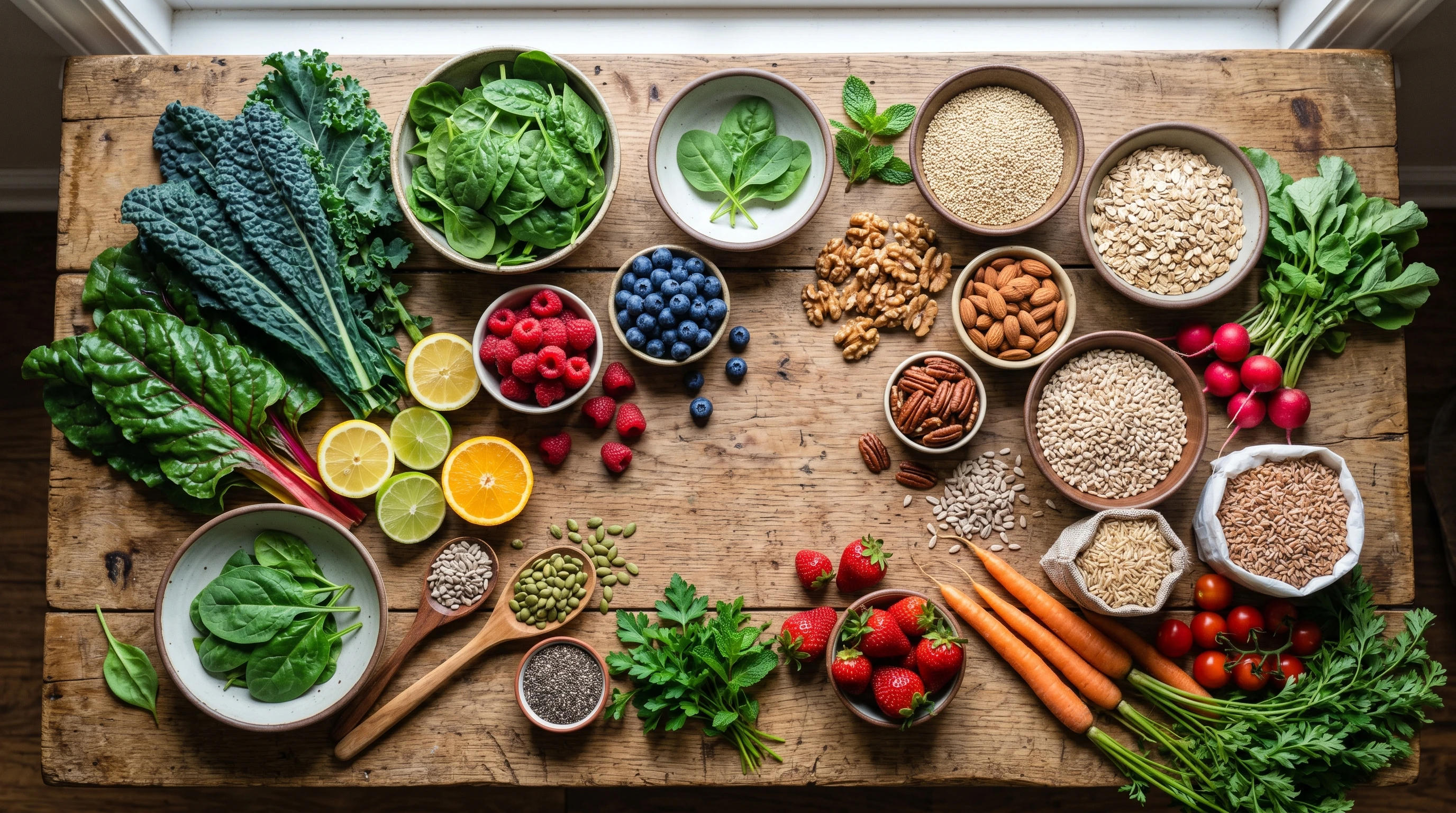
Foods that make it easier to lose weight usually tick a few boxes: they’re packed with nutrients, high in fiber or protein, lower in added sugars, and leave you satisfied for longer. What’s really helpful is that many of these foods don’t just help manage appetite. They also support a healthy metabolism. There’s plenty of research showing that fiber rich vegetables, lean proteins, and healthy fats can help with weight control.
Swapping ultraprocessed foods for minimally processed, whole ingredients can make a big impact. These kinds of swaps aren’t about perfection. They just make it a lot easier to eat fewer empty calories and more of what keeps you full.
In simple words, the closest an ingredient is to nature (non-processed), the healthier. And another thing I was tought when buying a product, the less ingredients it has, the better.
Top Filling Foods for Weight Loss
Building meals with foods that really fill you up without overdoing it on calories is super important if you want your new habits to last. Here are some foods that I find especially helpful:
- Leafy Greens: Foods like spinach, kale, and romaine give you tons of vitamins and minerals for very few calories. I love tossing them in pretty much anything—from omelets to smoothies.
- Whole Eggs: Eggs keep you satisfied for hours and are packed with protein. If you’re worried about cholesterol, the latest research shows eating several eggs a week is totally fine for most people (Harvard T.H. Chan School of Public Health).
- Lean Proteins: Chicken breast, fish, turkey, tofu, and beans help build muscle and fight hunger. Focusing on protein in every meal can actually help reduce cravings and latenight snacking.
- Berries and Low Sugar Fruits: Strawberries, blueberries, and raspberries are sweet but not loaded with sugar or calories. I like keeping frozen berries on hand to add to yogurt or oatmeal.
- Legumes: Beans, lentils, and chickpeas are high in protein and fiber, meaning they’re both filling and good for your digestion.
- Nonstarchy Veggies: Think broccoli, carrots, and cauliflower. These can fill up your plate and your stomach without adding tons of calories.
Best Snack Choices for Weight Loss
Smart snacking is a real game changer. Here are a few snacks I reach for when I want something quick and satisfying:
- Greek Yogurt: Full of protein and often lower in sugar, and even the nonfat versions tend to be really tasty with fresh fruit or a sprinkle of nuts.
- Nuts and Seeds: Almonds, walnuts, sunflower seeds, and pumpkin seeds are handy and portion controlled. Just stick to a small handful to keep calories in check (about 1 ounce or 28g).
- AirPopped Popcorn: Lots of volume for not a lot of calories. It’s my goto when I want a crunchy snack that won’t set me back.
- Hummus with Veggies: Bell peppers, celery, carrot and cucumber slices make it easy to get a crunch without loading up on chips or crackers.
- Cottage Cheese: The high protein content helps keep hunger away and it pairs great with berries, tomatoes, or a little hot sauce.
Important Nutrients for Weight Loss Success
Getting plenty of nutrients matters just as much as managing portions. If your body is low on certain vitamins or minerals, you might feel hungrier or have more cravings. These nutrients really help while focusing on weight loss:
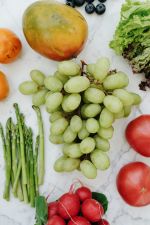 Fiber: Found in fruits, veggies, whole grains, and legumes. It’s linked to feeling fuller and improved digestion (National Library of Medicine).
- Protein: Important for muscle maintenance during weight loss and for keeping cravings down.
- Healthy Fats: Avocados, olive oil, and fatty fish like salmon provide satiety and help you absorb nutrients from your meals.
Common Roadblocks (and Fixes) When Choosing Weight Loss Foods
Switching up your eating habits can be tough. Here are a few roadblocks that tend to pop up, and what I’ve done to deal with them:
- Cravings for Processed Foods: Swapping out chips or cookies for crunchy veggies and dips or fruit with nut butter works surprisingly well for me.
- Portion Creep: It’s easy to overeat “healthy” foods if you’re not paying attention. Measuring out snacks and using smaller plates makes a big difference.
- Boredom with Meals: Exploring new herbs, spices, and cooking methods keeps things interesting and makes sticking with your plan a lot easier.
- Eating Out: Checking the menu ahead of time and looking for grilled options or extra veggies on the side keeps you focused even when you’re not cooking for yourself.
Cravings for Processed Foods
Those late night snack attacks can add up if you don’t have a plan. I found that prepping healthy snacks ahead of time, such as chopped veggies or boiled eggs, lowers the chance I’ll grab something less healthy in the heat of the moment.
Portion Control
Sometimes it’s not what you eat, but how much. When I started measuring out servings for things like nuts, cheese, or even rice, I noticed I was eating less without even realizing it. Eyeing portions makes a bigger difference than you’d think.
Boredom With Meals
Switching up the flavor, texture, or even the way you cook your favorite foods can help beat meal fatigue. Roasting veggies, grilling chicken, or adding a squeeze of fresh lemon can totally refresh an old meal.
Eating Out Without Derailing Your Plan
Sticking to your weight loss plan at restaurants can be tricky, but I make it easier by aiming for dishes that are heavy on veggies and lean proteins. Sometimes I ask for sauces or dressings on the side to keep things light.
None of these challenges are deal breakers. With a little planning, they just become part of your routine. If you mess up, no big deal. Just pick it back up at the next meal.
Hacks and Tips for Eating Healthy for Weight Loss
There are practical ways to make eating for weight loss easier and less stressful. These are strategies I’ve used myself and always recommend:
Meal Prep: Having readytogo meals and snacks lowers the temptation to order takeout. Cooking in batches or using a slow cooker can save you time midweek.
Stay Hydrated: Sometimes I think I’m hungry when I’m actually just thirsty. Keeping a water bottle handy helps me stay on top of this.
this.
Fill Half Your Plate With Veggies: This simple trick means you’ll naturally eat more fiberrich, low calorie foods without needing to count much of anything.
Protein at Every Meal: Anchor your breakfast, lunch, and dinner with a proteinrich food to keep energy steady and hunger away.
Little changes like these add up and make it way more realistic to keep going, even on busy days.
Real World Examples and Applications
Making small swaps in your regular meals works surprisingly well. I’ve seen lots of people (myself included) do stuff like:
- Topping salads with grilled chicken or beans instead of croutons or fried extras
- Blending frozen cauliflower or spinach into smoothies, barely noticeable, but a big win for nutrition
- Choosing oatmeal with cinnamon and fruit rather than sugarheavy cereal for breakfast
- Swapping white rice for quinoa or brown rice for more fiber and lasting energy
- At lunch, opting for a wrap made with whole grain tortillas instead of white bread to keep you full for longer
- Eating fruit as a dessert instead of pastries to curb your sweet tooth in a healthier way
These real life tweaks don’t feel like sacrifices. They actually help you stay full, keep blood sugar steady, and might even boost your energy during the day.
Frequently Asked Questions
Here are a few things people consistently want to know about choosing the best foods for weight loss:
Question: Do I have to avoid all carbs to lose weight?
Answer: Nope. Carbs from veggies, fruits, and whole grains can be really helpful. It’s the highly processed carbs (think white bread and pastries) that are best kept as occasional treats instead of everyday staples.
Question: Is fat bad if you’re trying to lose weight?
Answer: Healthy fats from things like avocados, nuts, and olive oil actually help you feel satisfied and can support weight loss when you enjoy them in moderation.
Question: How do I deal with hunger while cutting calories?
Answer: Focus on meals with lots of fiber, water, and protein. Drinking water before meals, eating slowly, and getting plenty of veggies goes a long way in keeping hunger down.
Final Thoughts
Finding the best foods for weight loss is about balance, not restriction. Filling up on whole, minimally processed foods makes it easier to eat less without constantly feeling hungry. Pairing smart food choices with a little bit of planning and some flexible habits really helps you see results without feeling burned out.
There are so many delicious, filling foods out there that work with your goals, so have some fun experimenting, and celebrate your progress along the way!
And because exercise goes hand in hand with healthy eating, check out my post on ‘Exercises With Small Weights‘, where you can find easy to do exercises at home to tone your whole body, by using small weights.
Here’s a little transparency: Our website contains affiliate links. This means if you click and make a purchase, we may receive a small commission. Don’t worry, there’s no extra cost to you. It’s a simple way you can support our mission to bring you quality content.