

Folks with knee issues know how tricky finding the right exercise mat can be. We’re talking about those with osteoarthritis, prior knee injuries, or even just the ones who find kneeling super uncomfortable. It’s crucial to remember that while a good mat provides support, it doesn’t treat the root cause of knee pain. So if it still flares up, a chat with a healthcare pro might be in order.
When picking a mat, we want all the right features lined up. Think thickness that suits your exercise vibe, density that won’t let you sink to the floor, surface grip to keep your poses steady, and a mat size that fits your moves. And yeah, don’t forget how easy it is to wipe clean after a sweaty session.
Cushioning is key, but go too soft, and your balance might take a hit. You wouldn’t want to topple over during a warrior pose or squat, right? A stretchy balance between softness for comfort and firmness for stability is where the gold is, especially if you’re into yoga or Pilates.
The material of the mat plays a big role too. Options range from closed-cell foam to natural rubber and everything in between. Each has its own feel and durability, and let’s not forget traction—no one likes their hands slipping away mid-plank! Plus, you know how odorous some mats can get. Little things like this matter in your choice.
I’ve got a simple test for you. Grab a mat, kneel on it, and shift your weight. Does the mat cushion feel good without that knee feeling all the pressure? If yes, you might have a winner.
Best Types of Exercise Mats for Bad Knees: Match the Mat to How You Move
Picking the right exercise mat isn’t about jumping on the trend train. It’s about finding what fits your moves and needs. Different mats fit different purposes, and knowing what each type offers can save those knees a lot of stress.
High-density thick mats are a solid choice for most floor-based workouts. They offer a good balance of support and 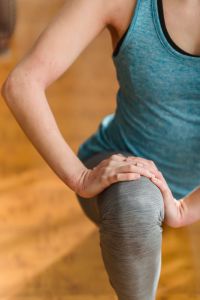 cushioning, making them a real asset for exercises like Pilates or any routine with lots of floor contact. On the other hand, folding gym mats step up for routines needing longer kneeling or if you’re in rehab mode. They give you that extra coverage and padding.
Grippy rubber yoga mats keep your poses solid, providing the traction needed to keep from sliding around. Plus, they usually last longer, which can be a good investment if yoga’s your jam. And don’t overlook double-layer mats or dedicated kneeling pads. They’re like extra protection where you really need it, perfect for gardening-style or short kneeling stints.
Avoid the temptation to stack two mats for added cushion. It sounds great in theory, but it can actually create instability, risking slips or rolled ankles. Instead, focus on finding a single mat option that balances comfort and support.
Whatever scenario you’re in, whether it’s modified planks, stretching, or some sweet yoga lunges, there’s a mat that matches your action. It might take a bit of trying before you hit the right one, but your knees will definitely thank you.
you.
When buying, look at specs beyond just price. Size is crucial for full-body moves, and portability matters if you’re heading to class. Grip, texture, and even features like seams or fold points play into how the mat performs.
You might face budget trade-offs. Sometimes cheaper mats show wear fast, while pricier ones may offer solid grip and durability. It’s all about finding what fits your knee needs without emptying your wallet. And hey, a small kneeling pad under a knee during lunges can be an added bonus to elevate comfort.
Use Your Mat Without Aggravating Knee Pain: Setup, Form, and Smart Buying Checklist
Let’s talk about getting the most out of your new mat purchase without stirring up knee problems. A good starting point is a checklist before buying. Know your primary workout type, measure your space, think about the flooring you’ll use it on, prioritize a good return policy, and make sure to test the grip and cushioning as soon as you can.
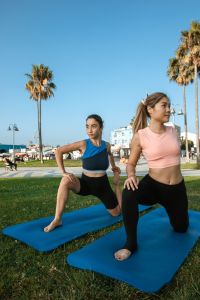 Setting up your mat right avoids knee unrest, placing it on a clean and level surface. Make sure the edges are flat—nobody wants to catch a foot on a curled-up corner. And it should go without saying, but don’t throw it on a slippery rug. When you see signs like curling edges, cracks, or it losing the non-slip feel, it’s time for a replacement.
Modifications in movement are smart too. If some exercises hurt, try padding the knee, altering your range of motion, or opting for more controlled, better-supported moves. Those hands-elevated planks can be a game-changer, easing strain during workouts.
It’s wise to keep a close watch on your pain levels. A little muscle strain might be usual, but sharp pain or any signs of instability mean stop—your knees are signaling for a break. If this happens, seek advice from a professional.
Caring for your mat according to its material helps preserve its quality. Gentle cleaning, avoiding harsh chemicals, complete air-drying, and proper storage are small steps that make a big difference.
When diving into product reviews, it’s key to know what you’re reading. Distinguish actual user experiences from manufacturer pitches, and keep an eye out for updated info as products change.
When choosing, go with the thinnest mat that prevents painful pressure on your knees yet remains steady and slip-resistant for the workouts you regularly do. It’s all about balancing comfort, support, and safety.
Check also my post: ‘Reduce Knee Pain With These 9 Exercises’, to help you strengthen the knees with easy to do exercises. Enjoy!
Here’s a little transparency: Our website contains affiliate links. This means if you click and make a purchase, we may receive a small commission. Don’t worry, there’s no extra cost to you. It’s a simple way you can support our mission to bring you quality content.