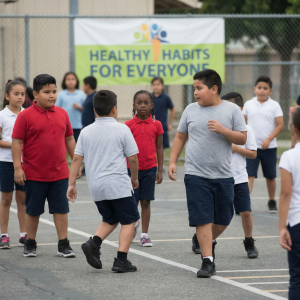
Childhood obesity’s climbing numbers are nothing short of alarming. Across the globe, more kids than ever are tipping the scales into unhealthy zones. In recent years, the uptick isn’t just about food—it’s a mix of what goes down the hatch and how tech-heavy lifestyles are shaping habits. And sure, junk food gets a lot of blame, but it’s not the whole story.
These days, kids are more likely to be found glued to screens than running in the parks. Video games, streaming services, and endless social media scrolling mean less time moving around. The transformation from an active childhood to a screen-centered one has been swift and sweeping. There’s something to be said about the ease tech brings, but it also plants a sedentary seed that’s hard to shake.
But it’s not just up to the kiddos. Family dynamics factor in big time. Parents and caregivers set the pace, for better or worse, with their own habits. Shared family meals, weekend outings, or even simple after-dinner walks can serve as cues for active patterns. The opposite can set a tone too—watching TV or eating straight from fast food bags, modeling habits that’ll likely stick.
Recognizing these patterns is the first step in addressing the problem. It’s about acknowledging how these modern tweaks in lifestyle impact growing bodies and minds. Once you see the full picture, it’s easier to connect the dots and understand that the obesity issue is closer than it seems, often beginning right at home. Making a change isn’t just doable—it’s necessary for the health of future generations.
Lifestyle Changes: Small Steps Towards a Healthier Future
Crafting a daily routine might seem old school, but it can play a huge role in a kid’s health. Juggling school, activities, and playtime gets easier with some planning. Having set meal times, study slots, and designated hours for snooze and play helps keep things in balance.
 Speaking of meals, here’s a fact: mindful eating isn’t just for grown-ups. Encouraging kids to think about what goes on their plate can make a difference. Swapping out sugary snacks for fruits or veggies won’t just cut down on calories—it teaches kids to choose better. And hey, getting them involved in meal planning or cooking makes them curious and more likely to try healthier options.
Moving around isn’t just gym class. Turn exercise into everyday fun! Whether it’s a quick walk in the park or a dance-off in the living room, kids just need to get moving without making it feel like a chore. Small, consistent bursts of activity work wonders for health and energy levels.
Then there’s the social part. For kids, joining a group or team turns exercise into a social event where they’re motivated by fun, not obligation. Community support—from neighbors, friends, or local clubs—ignites a sense of belonging and teamwork, steering focus from exercise being a task to it being a shared experience.
Kids on the Move: Engaging Exercises for Obese Children
When it comes to getting active, options that align with kids’ interests are key to keeping them engaged. Sports might not be every kid’s jam, so it’s important to offer a variety of activities. Swimming stands out as a go-to. It’s a low-impact way to exercise where fun meets fitness in the splash zone. Water aerobics adds a playful group element, with games and routines that burn calories without feeling like work.
For those who enjoy the great outdoors, biking is a fantastic choice. It’s about more than exercise—it’s exploring with wheels. Family bike rides can become weekend rituals that build bonds and boost fitness. Throw in some skateboard parks or interactive trails, and you’ve got a combination that keeps boredom at bay.
Joining inclusive sports programs makes a big difference. They’re structured to welcome kids of all abilities, offering activities that foster problem-solving and team skills. From adaptive soccer leagues to casual basketball games, these programs can build confidence and healthy habits.
Mindfulness practices like yoga can add an entirely new dimension. It’s a combo of calm and movement that helps with flexibility, strength, and mood. Yoga techniques teach kids to tune into their bodies and encourage a connection to their breath. This awareness can spark changes in how they view their own health journey, moving thoughts from just “losing weight” to enhancing overall well-being.