
Osteoporosis is a sneaky condition that gradually weakens bones, making them fragile and more susceptible to breaks. It lurks in the shadows of your body’s mechanics, often without symptoms until — bam — a fracture occurs. This bone-thinning disease becomes a concern mainly for people in their later years, especially women. The hormonal shifts during menopause play a starring role in bone density loss, which is why women are hit harder than men.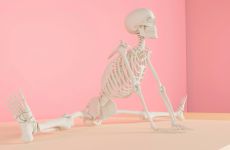
But it’s not just about age and gender. Genetics can whisper about this tendency, too. If your mom or dad had it, you might find yourself on guard. Other factors like diet, lifestyle, and even some medical conditions or medications could nudge you closer to osteoporosis. Smoking, excessive alcohol intake, and a diet low in calcium or vitamin D can also crank up the risk.
Here’s a jaw-dropper: Worldwide, about one in three women and one in five men over 50 will experience osteoporotic fractures. It’s a silent epidemic that begs for more awareness and understanding. While we’ve put a spotlight on who’s usually affected, there’s much more under the surface that needs attention — like how we tackle or even reverse the effects of this bone-snatching thief.
The Role of Exercise in Managing Osteoporosis
Exercise does wonders for your bones. Just like muscles, your bones get stronger when you use them. When you engage in physical activity, it helps maintain or even increase bone density. It’s not a magic bullet that will reverse osteoporosis overnight, but it’s a vital part of the bone-health toolkit.
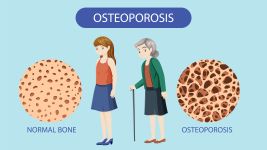 Different exercises bring different benefits. Weight-bearing exercises, like walking or jogging, push your bones to bear the load, encouraging bone growth. Then there’s strength training, using weights or resistance bands to muscle up and add bone density. Balance exercises, like tai chi or yoga, reduce the risk of falls. Flexibility exercises stretch out those muscles, keeping mobility in check.
Studies point out that routine physical activity can lead to noticeable improvements in bone density. But it’s key to remember that exercise plays more of a preventive role, slowing the bone loss process. Reversing osteoporosis completely through exercise alone is unlikely, but alongside medication and lifestyle changes, exercise is a game-changer in managing symptoms and slowing progression.
Exercise works best when it’s consistent and appropriately challenging. It’s about mixing up intensity and types to keep your body guessing and growing. Consulting with a healthcare professional is crucial to tailor an exercise plan that suits your personal health story. This isn’t about being a gym warrior; it’s about finding a sustainable routine that builds and protects bones.
Effective Exercises for Osteoporosis: Boosting Bone Strength
Getting on the right exercise track is crucial when it comes to dealing with osteoporosis. Not all exercises are created equal for bone health, so knowing which ones to incorporate into your routine can make a real difference. Weight-bearing exercises, like brisk walking or dancing, encourage your bones to handle more stress, spurring them into maintaining strength.
Strength training is another powerhouse in osteoporosis management. It includes lifting weights or using resistance bands, focusing on major muscle groups to enhance bone strength. By challenging those muscles, you indirectly stimulate bone tissues to strengthen as well. Consistently including these exercises can help keep bones robust and resilient.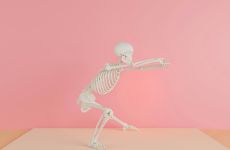
Balance and flexibility exercises, such as yoga and tai chi, add another layer of protection. These activities improve coordination and reduce the likelihood of falls, which are a significant risk factor for fractures in people with osteoporosis. Enhanced flexibility ensures that your body moves more smoothly, reducing strain on faltering bones.
Safety always comes first. It’s important to start slowly and gradually increase intensity to prevent injury. Checking in with a physical therapist or healthcare provider is a smart move, ensuring that you’re on the right path and not overdoing it. Personalizing your exercise routine keeps it challenging but safe, catering to your unique bone health needs.
If you want more exercises to strenghten your muscles and bones, check out ‘5 Best back exercises to do at home‘.